
Gasoline → Electric, done right.
Keep the car you love. Replace the engine with a certified electric powertrain in 5–12 days.
Convert to Electric
Keep the car you trust. Replace the engine with a certified EV powertrain.
Real numbers. PKR 414/litre petrol vs ~6 Rs/km electric.
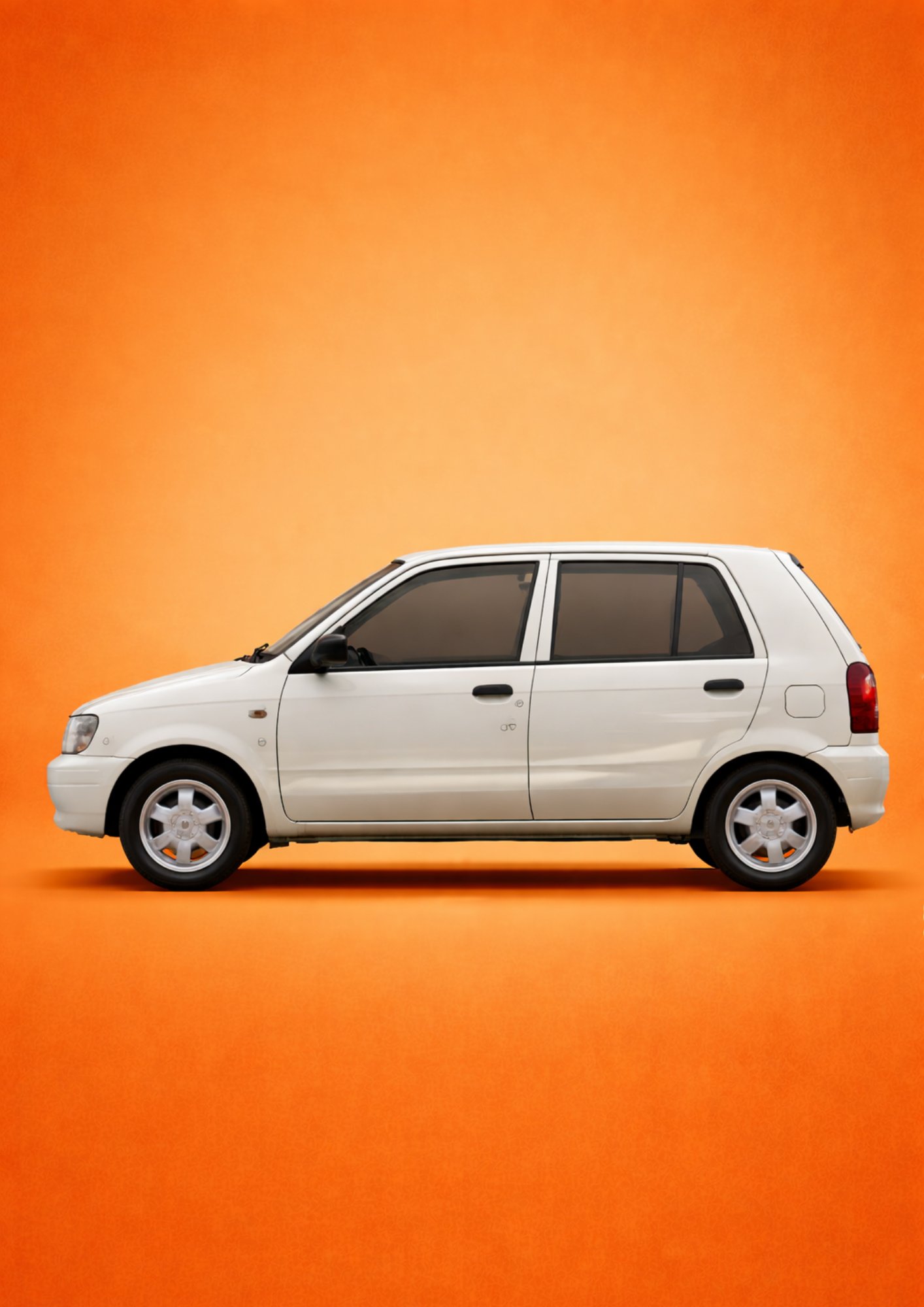
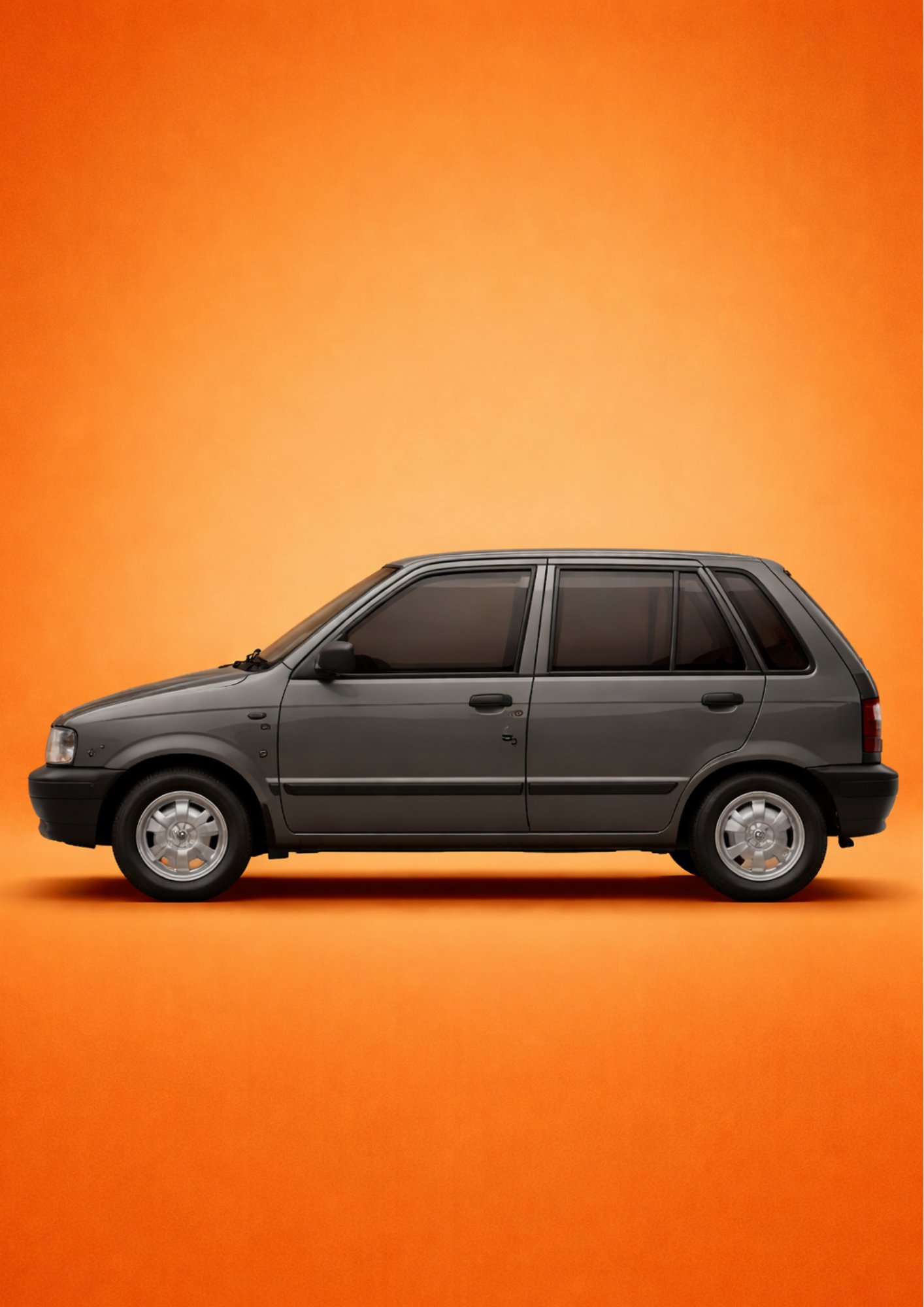

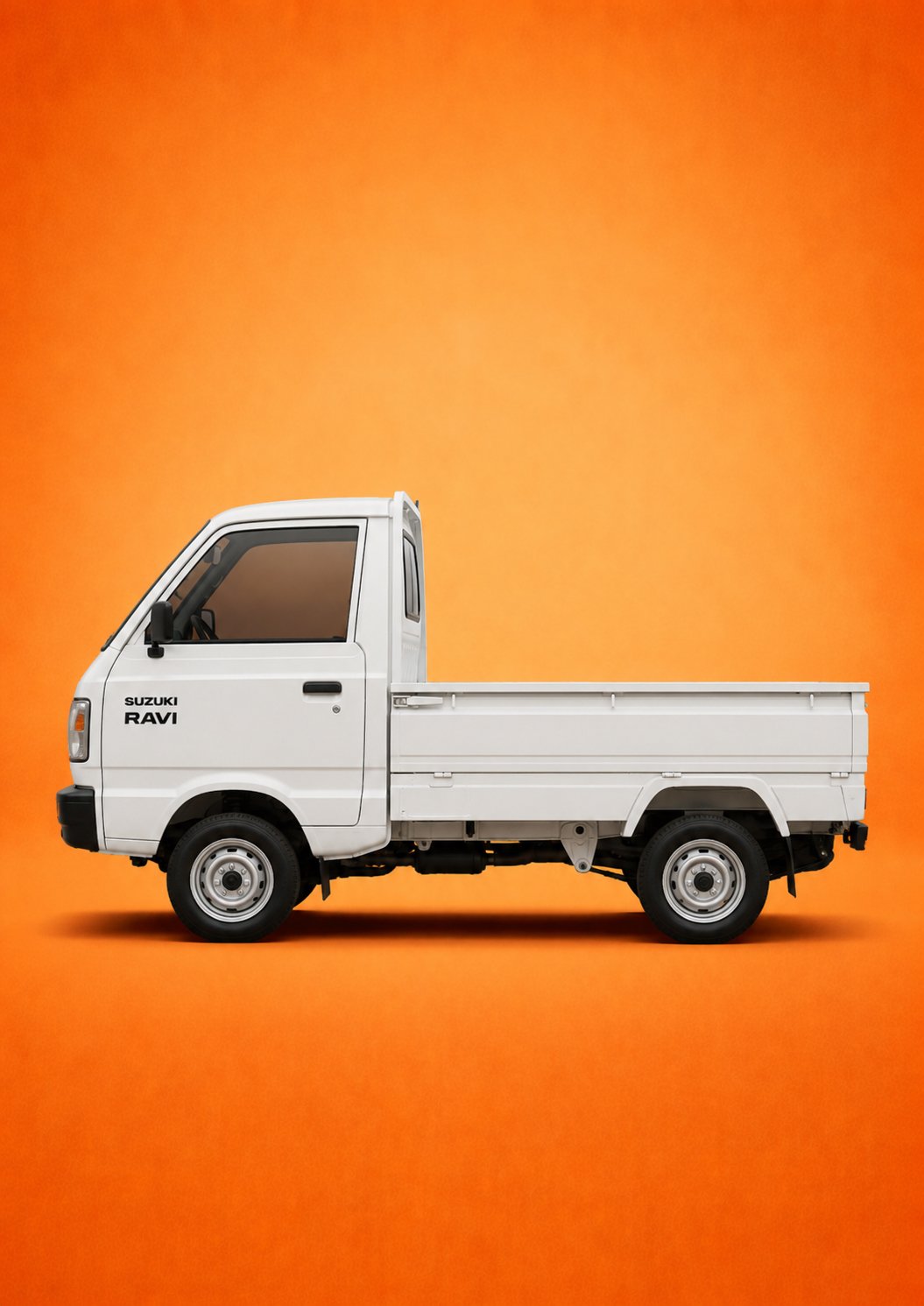

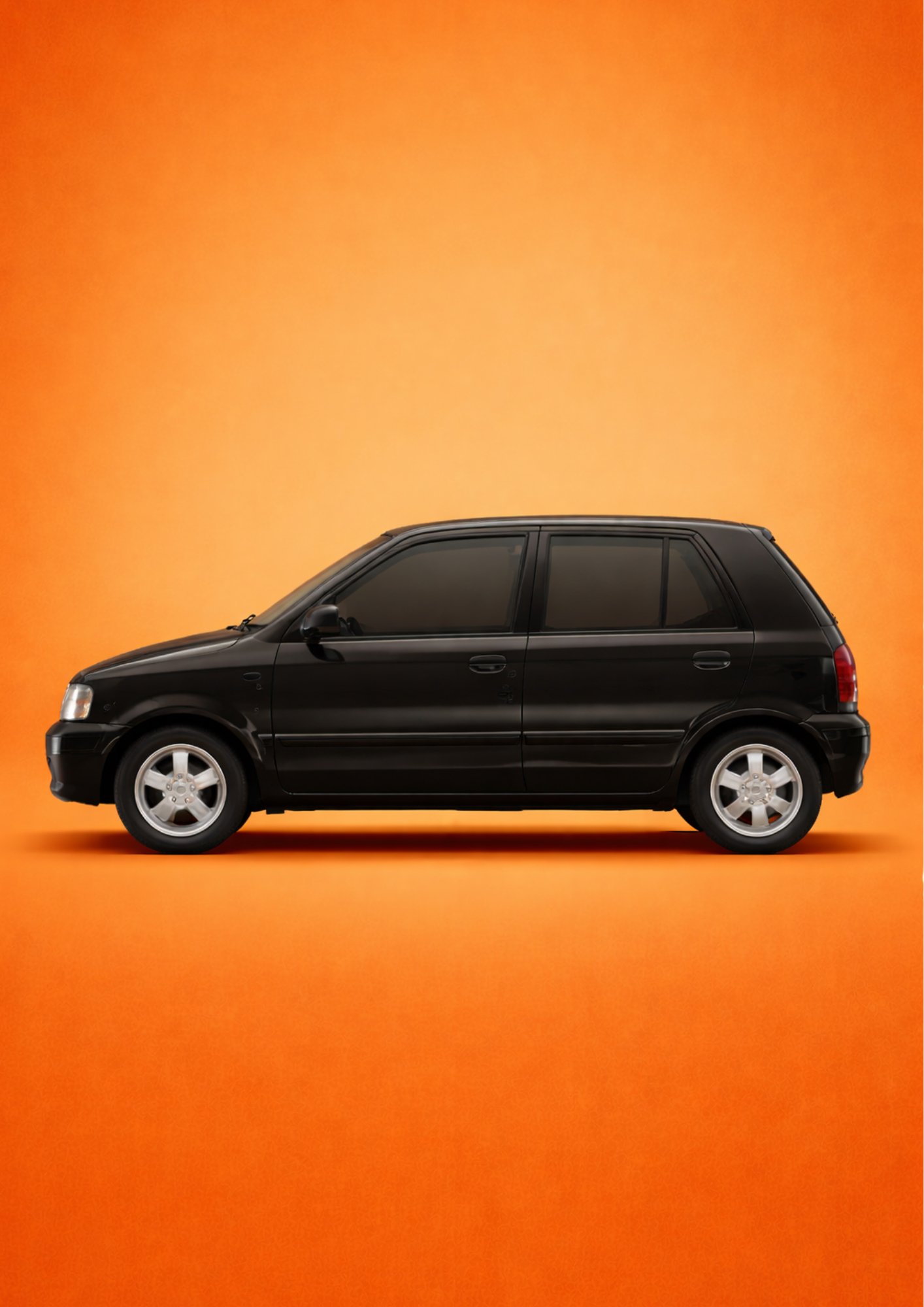
Proven Numbers
Real impact we've delivered for electric vehicle buyers in Pakistan
See your savings, per day
Drag the slider to set how many kilometres you drive per day, and compare petrol cost vs electricity cost for that distance.
EV Calculator
Pakistan's most accurate EV vs petrol comparison tool. Enter values once in the Savings tab and all calculator sections stay synced automatically.
Bigger cars, coming next
These larger, older-generation 1000cc–1800cc vehicles are currently in R&D for electric conversion. They're not yet available for booking — specs and pricing are coming soon. We do not convert newer/current-generation variants.
Electric Cultus
1000CC · Hatchback
Electric Vitz
1000–1300CC · Hatchback
Electric Corolla XLI
1300CC · Sedan
Electric Civic
1800CC · Sedan
Components used & high-voltage safety
Every conversion uses the same certified component set, installed with high-voltage safety protocols throughout.
PMSM Drive Motor
Rated power 10–15 kW · Peak power 20–30 kW (varies by vehicle & variant) · Torque 28–110 Nm · IP67-rated · up to 97% efficiency
LiFePO₄ Battery Pack
72V nominal system · 14.4–22 kWh (200–314 Ah) · 2,000–5,000+ charge cycles · 6–8 yr typical lifespan
Motor Controller
150–180A max current · CAN 2.0B comms (500 kbps) · forced-air cooling · Eco / Normal / Sport drive maps
Smart BMS
20S–24S configuration · 150–200A active cell balancing · over/under-voltage, over-current & thermal cutoffs
Onboard AC Charger & Port
220V household-compatible · 3.3–6.6 kW charger rating · 4.5–8 hr full charge depending on pack size
Driver Display & HV Wiring
SOC, range & fault display · insulated HV harness rated 75–100A continuous · crash-disconnect relay
High-voltage handling standards
- Isolated HV harnessAll high-voltage cabling is colour-coded orange and routed away from passenger compartments.
- Pre-charge circuitPrevents current spikes when the system is first energised.
- Crash-disconnect relayAutomatically isolates the battery pack on impact detection.
- Isolation monitoringContinuously checks for leakage between HV system and chassis ground.
- IP67 enclosuresBattery, motor and controller are sealed against dust and water ingress.
- Trained technicians onlyAll HV work performed by technicians certified in EV electrical safety.
The 5–12 day conversion process
From drop-off to delivery — with safety checks built into every stage.
- 1
Inspection & Booking
Vehicle condition, chassis and wiring check, model confirmation, and ECO vs Long Range recommendation based on daily km.
Day1 - 2
Engine Removal
Petrol engine, fuel tank, exhaust, alternator, starter motor and ECU removed, with the fuel system safely purged.
Day2–3 - 3
Motor & Battery Fit
PMSM motor, controller and LiFePO₄ pack installed via custom adapter plate and splined coupler, with mounting torque verified.
Day4–6 - 4
Wiring & BMS
HV wiring, Smart BMS, onboard charger, charging port and emergency cutoffs installed, then checked for HV isolation and insulation.
Day6–8 - 5
Calibration & Road Test
Drive modes, regen braking, range and dashboard readouts calibrated and verified on-road, including brake and regen safety checks.
Day8–10 - 6
Handover
Final QA checklist, then a walkthrough covering charging routine, drive modes, warranty cards, and registration paperwork.
Day10–12
Petrol vs Electric — technical breakdown
Direct, measured comparison across a 660cc–800cc A-segment conversion. Figures based on PKR 290/litre petrol and PKR 50/kWh electricity.
SOPs, guidelines & safety precautions
Simple habits that protect your battery, motor, and warranty — and a few things to avoid entirely.
Recommended practices
- ✓Charge using the supplied 220V AC chargerUse the EV Square-provided onboard charger and connector to keep charge rates within BMS limits.
- ✓Keep charge between 20% and 90%For daily use, this range extends LiFePO₄ cell life significantly over repeated full-cycle charging.
- ✓Use Eco or Normal mode for daily commutingSave Sport mode for short bursts — it draws higher current and reduces range.
- ✓Check tyre pressure monthlyCorrect pressure has a direct, measurable effect on EV range and motor load.
- ✓Schedule annual BMS & motor inspectionKeeps your warranty valid and catches cell imbalance early.
- ✓Park in shade during extreme heatHigh ambient temperatures accelerate battery degradation over time.
Avoid these
- ✗Don't use uncertified fast chargersNon-matching voltage/current profiles can damage the BMS and void warranty.
- ✗Don't leave the vehicle at 0% charge for long periodsDeep discharge stored for weeks can permanently reduce battery capacity.
- ✗Don't modify wiring, controller, or BMS settingsAny unauthorized electrical modification voids the motor and battery warranty.
- ✗Don't ignore dashboard warning lightsSOC, temperature and fault indicators should be checked by a certified technician immediately.
- ✗Don't submerge the battery pack or controller in waterWhile components are IP67-rated, prolonged submersion (flooding) exceeds rated protection.
- ✗Don't tow or jump-start using the HV systemUse only the designated 12V auxiliary terminals for jump-starts.
Backed by Pakistan's EV policy direction
Electric mobility is a national priority — here's how current and upcoming policy supports the shift to EVs.
National Electric Vehicle (NEV) Policy 2025–30
Pakistan's NEV Policy 2025–30 sets a national target for shifting new vehicle sales toward electric power over the next five years, with the share expected to rise further into the following decade as charging infrastructure and local component manufacturing scale up.
A key part of the policy framework is reduced-duty treatment for EV-specific parts — including batteries, motors, controllers, and chargers — which directly lowers the cost of sourcing the components used in conversions like ours.
Pakistan Accelerated Vehicle Electrification (PAVE) Programme
PAVE is the government's flagship rollout under the NEV Policy, running in phases from 2025 onward. Phase 1 focuses on two- and three-wheelers with an online registration portal already active — an early signal of how registration and incentive mechanisms are expected to extend to passenger cars as the programme expands.
Ready to go electric?
Talk to a real expert in under 2 minutes. No bots, no pressure — just clear advice.